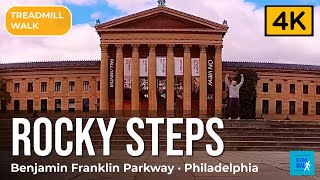
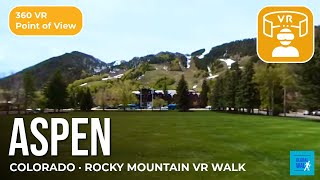
Everything that separates a walking video you finish from one you close after two minutes — pacing, sound, scenery, and how to build the daily habit around them.
Every video opens on YouTube — full 4K, free. Subscribe to get each new walk the day it drops.
What actually makes a walking video work
Three things, in order: pace, stability, and sound. The footage must move at genuine walking speed — roughly 2.5–3.5 mph — or your eyes and your stride fall out of sync and the illusion collapses. The camera must be stabilized; bounce and jerky cuts cause more abandoned workouts than boring scenery ever has. And the audio matters more than most people expect: natural location sound with no narration lets you bring your own podcast or playlist, or walk in the place itself.
Every Global Walk tour is built around exactly those three rules. They are filmed at true treadmill pace, stabilized end-to-end, and carry only the genuine ambient sound of the location — wind in the aspens of Grand Teton, surf on a Bonaire shoreline, the hum of Main Street U.S.A.
Matching the video to your treadmill speed
Set your treadmill between 2.5 and 3.5 mph and the scenery will move naturally with your stride. For an easy recovery walk, stay near 2.5 mph with a flat shoreline or village route. For a workout, raise the incline 2–5% on mountain footage — climbing visuals plus real incline is surprisingly motivating and burns meaningfully more.
The walkers who stick with it share one trick: they pick tomorrow's destination tonight. Queue the video before bed, and the morning decision is already made — you're not choosing whether to walk, just pressing play on a trail you already chose. Subscribing on YouTube makes this nearly automatic, since each new walk arrives in your feed the day it publishes.
Virtual walking also stacks with real goals: many viewers \u201cwalk\u201d a destination before traveling there, or use park and island walks to stay consistent through winters when outdoor walking lapses.
Frequently asked
How fast should I set my treadmill for walking videos?
Between 2.5 and 3.5 mph matches the filmed pace of Global Walk tours. Slower feels like strolling behind the camera; faster feels like overtaking it.
Are walking videos actually good exercise?
Yes — a brisk 3 mph walk burns roughly 200–300 calories per hour, and adding treadmill incline on mountain footage increases that substantially. The video's job is making you forget you're exercising.
Where can I watch these walking videos?
Every Global Walk tour is free in 4K on YouTube at youtube.com/@global_walk, and browsable by destination at globalwalk.tv.
Do walking videos work on a treadmill's built-in screen?
If the treadmill has a web browser or YouTube app, yes. Otherwise a tablet or phone on the console works perfectly — the videos are framed to read clearly even on small screens.
What is the best walking video channel with no talking?
Global Walk specializes in exactly that: 4K tours with zero narration and zero commentary — only the natural sound of each place, filmed at true walking pace.
Walk it for yourself
Every Global Walk tour is free on YouTube in full 4K — filmed at real walking pace, with no talking and no commentary.